
Choose the best time to visit Cancún by activity
The best time to visit Cancún is not the same for every itinerary. If you mainly want outdoor sightseeing and beach time, February to April are a useful starting point because they are relatively low-rainfall months in the SMN station normals. If whale sharks are your reason for travelling, the annual wildlife season matters more than choosing the driest month. For a sailing or snorkeling day, the actual sea and harbour conditions remain decisive in either case.
Make that priority explicit before choosing dates. A beach-led itinerary needs room to respond to flags and shoreline conditions; a wildlife-led one needs dates within the authorised season. The Cancún weather guide gives the full temperature and rainfall table. Here the aim is to turn that background into a practical choice, not to reproduce a second climate table.
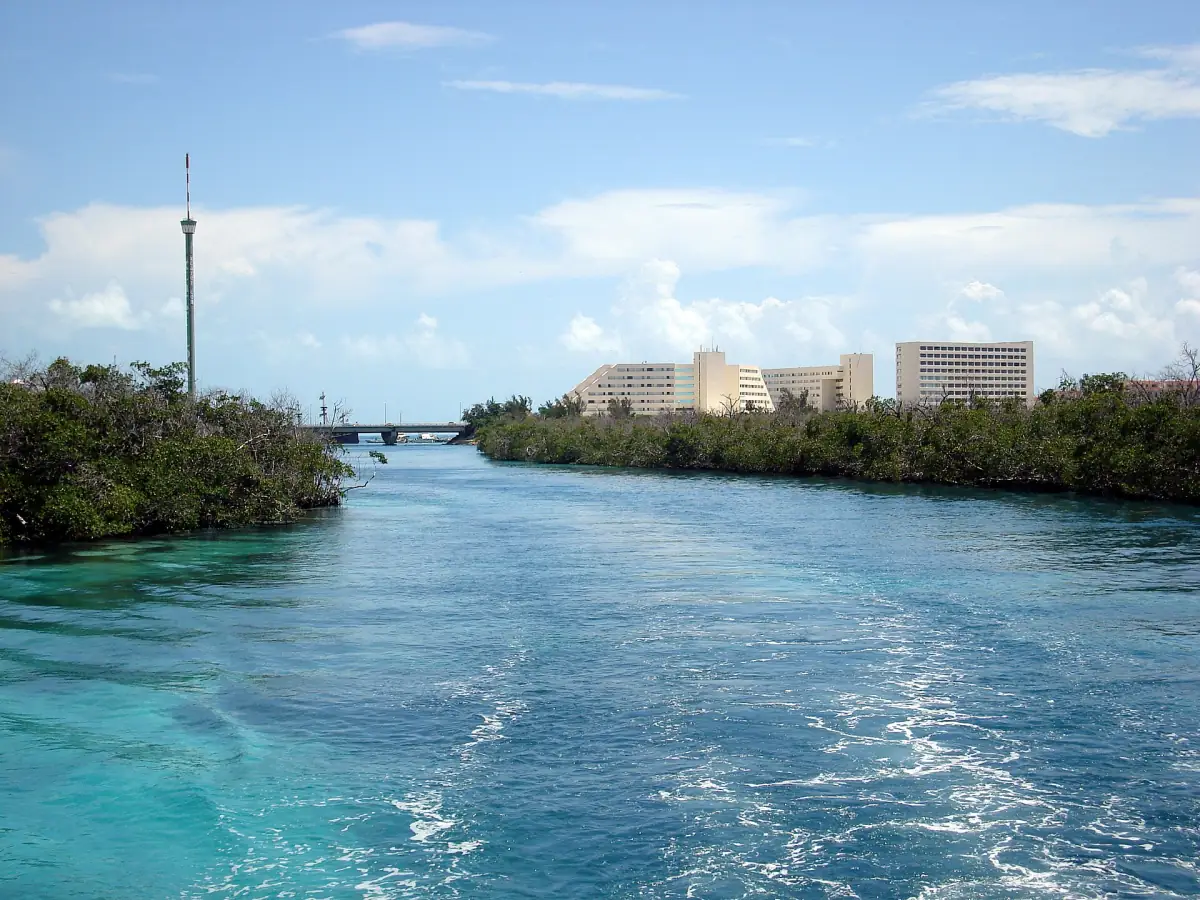
Relatively drier months for outdoor plans
The February-to-April recommendation is an editorial reading of SMN station 23155 CANCUN, normal period 1991 to 2020, issued on 30 October 2026. It is a useful preference when your dates are flexible, not a guarantee of cloudless weather or calm water. Keep an alternative activity available rather than making the whole itinerary depend on a single outdoor condition.
Our pick: seasonal whale shark trip
Our take: This wildlife outing makes season choice important; sightings are never guaranteed. The confirmed 15 May–17 September 2026 season has ended; future years need confirmation. Check that the operator holds SEMARNAT/DGVS and CONANP permits. At most two guests and a guide may enter the water together, stay at least 5 m away on entry, and do not use sunscreen during the activity.
Hand-picked tours, booked through Viator. Prices are indicative starting prices in US dollars (as of November 2026). Tap a tour for live availability and the current price in your currency.
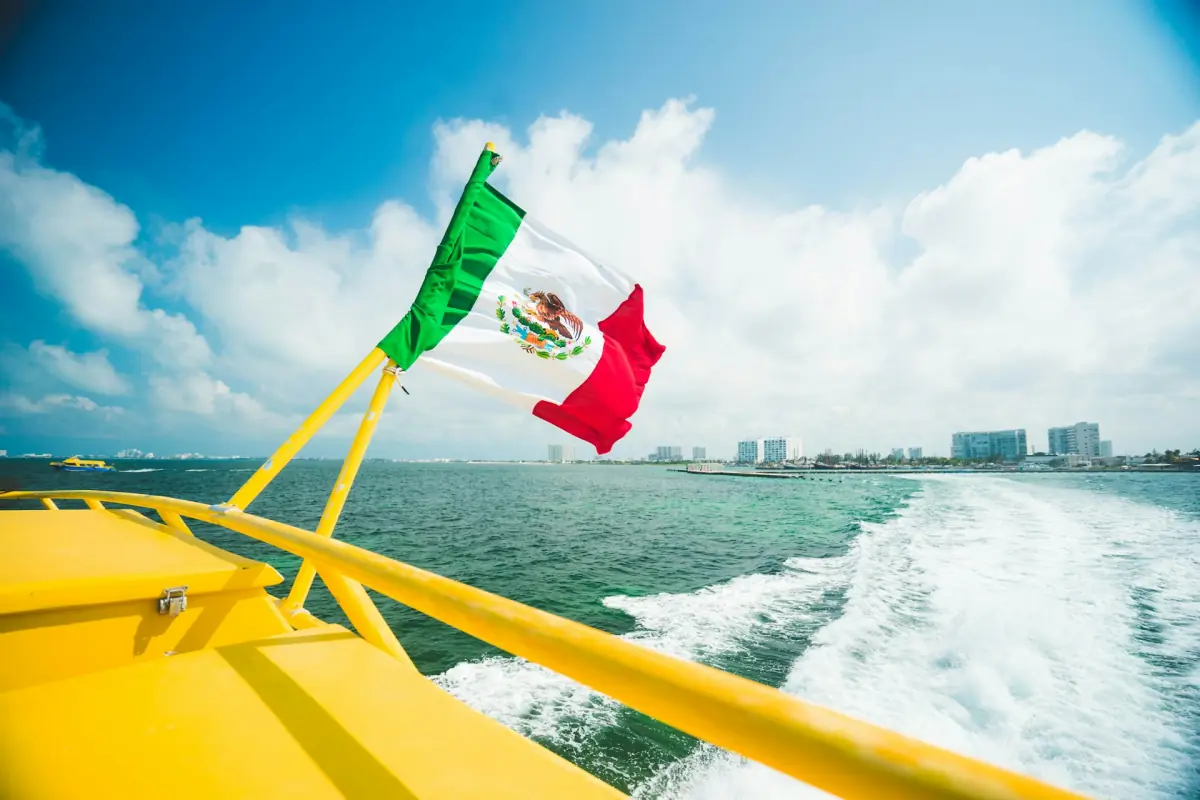
A seasonal whale shark option for your itinerary
The transport option combines return land travel with a bilingual guide, coffee break and ceviche. The 2026 season has ended; future wildlife departures need the annual season announcement.
Whale sharks require a separate calendar
The authorised 2026 whale shark season ran from 15 May to 17 September. It is over, and a future year's departure dates need that year's announcement. The multi-year management plan does not settle the next year's actual operation. This seasonal window overlaps warmer, wetter months and part of hurricane season, so the wildlife priority comes with a different planning balance from a relatively dry-month beach visit.
The seasonal trip shown here includes a bilingual guide, coffee break and ceviche. Return land transportation belongs to the transport option; the pier-meeting option excludes it. The meeting location is at kilometre 3.5 on the road towards Punta Sam, and the advertised total duration is 6 to 10 hours. That span describes the whole outing, not swimming time. Check swimming, age and health conditions for the chosen option.
Operators require SEMARNAT/DGVS authorisation for non-extractive wildlife use and the relevant CONANP permit. In the water, the limit is two guests plus one guide per boat together, with at least 5 m from the animal on entry. A full life jacket, mask, snorkel and fins are required. Do not touch, pursue, crowd or feed the animals, and do not use sunscreen or tanning products during the activity, including products marketed as biodegradable. Sightings and the number of swimming entries are not guaranteed. Read the detailed whale shark guide before making this your main travel goal.
Boat trips and the hurricane-season window
The Atlantic hurricane season runs from 1 June to 30 November, with activity possible outside the window. These dates do not predict conditions on your particular visit, but November is not an automatic all-clear. Use current forecasts and harbour information for the activity you intend to take. A restriction on small boats does not establish cancellation of every passenger ferry.
For Isla Mujeres sailing trips or reef snorkeling, leave flexibility in the order of your days. Do not equate less rain with guaranteed visibility or gentle seas. Changes and refunds follow the selected trip's terms; choosing a supposedly favourable month does not replace reading those conditions.
December: a different choice from the wildlife season
December suits an itinerary that does not depend on the ended 2026 whale shark season. The station's monthly rainfall normal is lower than October's, but rain remains possible. The calendar end of Atlantic hurricane season also should not be turned into a promise that every boat will run. Plan beaches and local visits alongside your sea outing, rather than treating December as an all-weather guarantee.
Sargassum and swimming are daily decisions
Sargassum can vary between years and individual beaches. A seasonal decline reported in September 2026 is not a fixed algae-free winter calendar. Nor does a low rainfall figure prove that a particular shoreline will be clear. Use the beach guide for public access and seasonal context, then look at local conditions on the day.
Swimming also depends on flags and lifeguard instructions. Red means no entry into the sea, while a Blue Flag designation is a quality marker rather than a current swimming clearance. Choose dates around your priorities, but keep the final beach and boat decisions separate from the monthly climate comparison.
Questions about choosing dates
What is the useful starting point for drier weather?
February to April are relatively drier in the SMN station normals. That makes them worth considering for outdoor plans, without promising dry days, clear shorelines or calm seas.
Is November still within hurricane season?
The Atlantic season runs through 30 November, and activity can also occur outside the stated window. Use current information rather than treating November or December as automatic weather clearance.
Can I choose one month for guaranteed whale sharks and clear beaches?
Wildlife dates, sargassum and daily sea conditions are separate matters. Use the annual whale shark season for the wildlife goal, but do not expect guaranteed sightings or an algae-free shoreline from a calendar choice.