
Reading Cancún history through the city
Cancún history is easier to understand when you separate the development of the modern city from the Maya heritage of the region. The city dates the beginning of its modern development to 1970, with support from INFRATUR. That is a milestone in urban development, not the beginning of Maya civilisation. For a visit, the useful distinction is between exploring today's planned city, seeing archaeology within Cancún and taking a longer journey to a regional site.
The Hotel Zone lies between the Caribbean and Nichupté Lagoon, while Centro contains the central long-distance bus station. Use that geography to organise a history-focused day rather than expecting one continuous historic quarter. Museo Maya, San Miguelito and El Rey give you local places to start. The Cancún sights guide places those visits alongside other things you can do in the city.
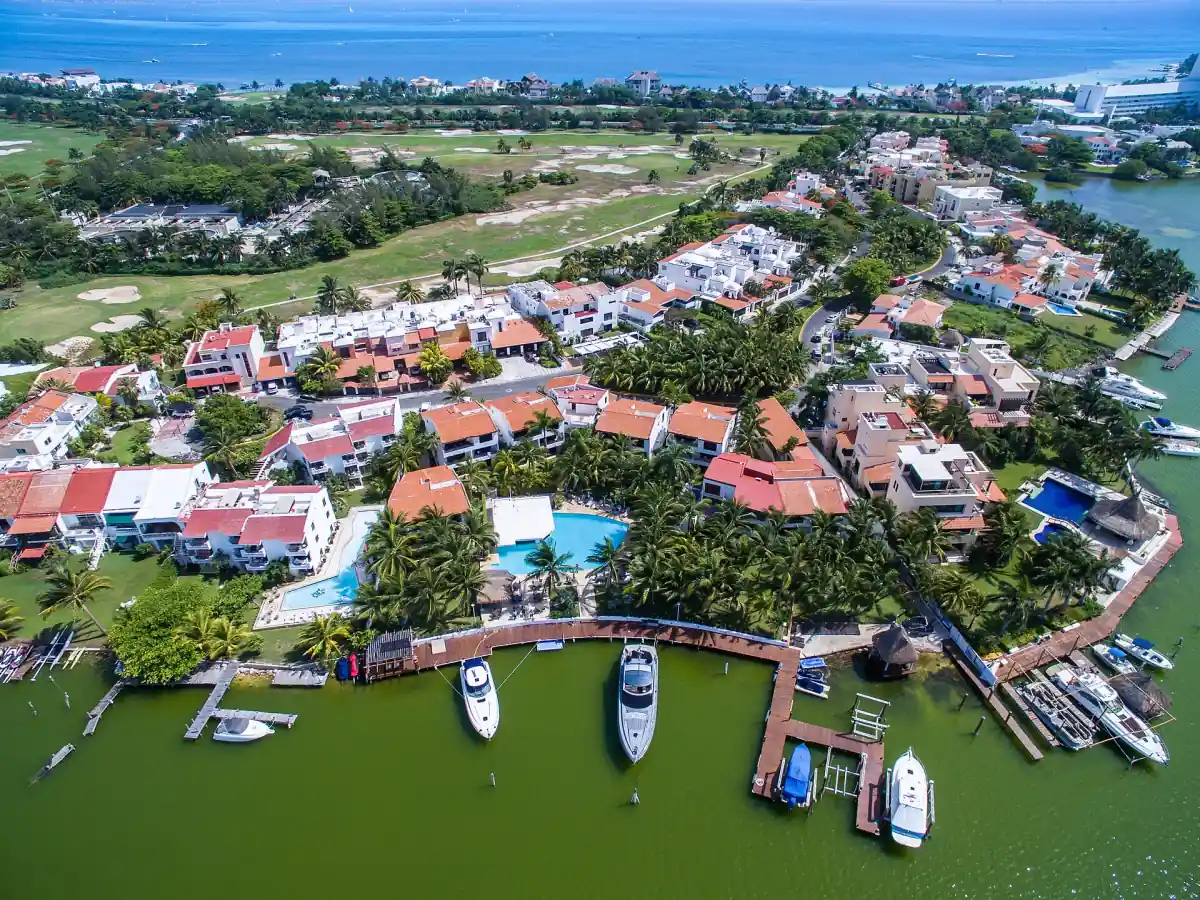
The modern planned city and its pioneers
The city's account of its founders links Cancún's development to the project begun in 1970. It also records a later civic commemoration: a council act on 20 April 1988 established 20 April as Día del Pionero. These dates describe the modern city's development and remembrance of its pioneers. Keep them separate from the chronology of Maya sites when reading about the destination.
For your own route, decide whether the emphasis is modern urban geography or archaeological visits. A look at the coastal strip helps explain the relationship between the sea, lagoon and Hotel Zone; it is not a substitute for a museum visit. Equally, an excursion to a distant Maya city is a regional journey rather than a guided account of how Cancún itself developed.
Our pick: regional archaeology
Our take: This excursion to Chichén Itzá adds regional Maya context, rather than a guided tour of Cancún city history.
Hand-picked tours, booked through Viator. Prices are indicative starting prices in US dollars (as of November 2026). Tap a tour for live availability and the current price in your currency.
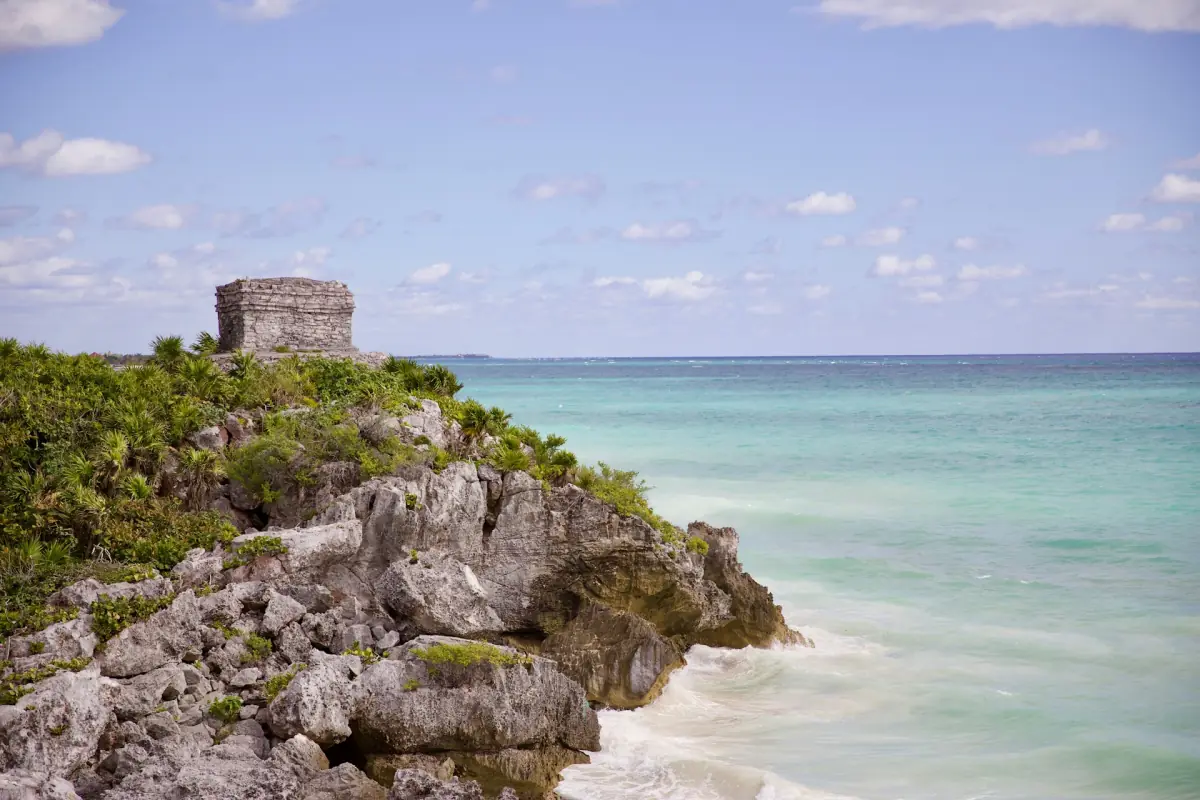
A regional Maya history excursion
The Chichén Itzá outing combines a guide, a panoramic Valladolid visit, buffet lunch and a Maya cuisine demonstration. It is a regional day trip, not a Cancún city history tour; Chichén Itzá admission is not listed among its inclusions.
Museo Maya and San Miguelito
Museo Maya de Cancún is the archaeological land museum at Boulevard Kukulcán kilometre 16. Its visit includes the San Miguelito archaeological area. Plan both parts deliberately, especially if arriving in the afternoon: the museum's published information, updated on 2 January 2026, gives Tuesday to Sunday opening from 09:00 to 18:00, last entry to the exhibition rooms at 17:00 and last access to San Miguelito at 16:30. The regular closing day is Monday.
The museum's published foreign-adult admission is USD 11.27 / MXN 210, including the archaeological area, as of that January update. Its Sunday free-entry rule concerns Mexicans and residents, not all foreign tourists. If you qualify for a concession, bring the relevant proof rather than treating a general Sunday rule as applying to every visitor.
Museo Maya and MUSA are different experiences. The former is a land museum with archaeology; the latter is underwater art visited through boat, snorkeling or diving activities. Choose the underwater museum guide if that is the experience you mean. A reference simply to a museum in Cancún can otherwise send your planning in the wrong direction.
El Rey and local archaeology
El Rey is another archaeological visit within the Hotel Zone, at Boulevard Kukulcán kilometre 18. The site's published schedule is daily from 08:00 to 17:00, with last admission at 16:30. Treat it as its own visit when allowing time for local archaeology. Museo Maya's Monday closure should not be copied across to El Rey, nor should their different last-entry arrangements be treated as interchangeable.
For a shorter local programme, choose whether to concentrate on the museum and San Miguelito or make time for El Rey as well. Check the journey between the sites and your accommodation instead of judging the plan by closing time alone. Our area guide explains how the Hotel Zone and Centro differ as bases.
Regional archaeology and the Kukulcán Pyramid
Chichén Itzá belongs in a wider Maya itinerary, but it is a day trip from Cancún rather than a local city stop. Public access is through CATVI, and Yucatán is one hour behind Quintana Roo. Use the Chichén Itzá excursion guide for the practical comparison of routes, collection points and fees. Keep that travel decision separate from a deeper architectural reading of the Kukulcán Pyramid. Explore the Kukulcán Pyramid in more detail.
The featured regional outing includes a guide, an air-conditioned vehicle, buffet lunch, a panoramic visit to Valladolid and a demonstration of Maya cuisine. Chichén Itzá admission is a separate item to account for, since it is not among the listed inclusions. Choose the departure arrangement that actually serves your Cancún location rather than using a meeting address in another town.
Questions about Cancún's past
Does Cancún's history begin in 1970?
That date marks the beginning of modern city development. It should not be used as the beginning of Maya history, which is a separate subject explored through local archaeology and regional sites.
Are Museo Maya and MUSA the same museum?
Museo Maya is a land museum with San Miguelito. MUSA concerns underwater art and involves a different choice of access and activity.
Can I visit San Miguelito at the museum's closing time?
Plan earlier. The January 2026 museum information lists last access to San Miguelito at 16:30, last exhibition-room entry at 17:00 and museum closure at 18:00.
Is the Chichén Itzá outing a city history tour?
It is a regional archaeological day trip with additional stops and lunch. Use it for a wider Maya itinerary, while keeping Museo Maya, San Miguelito and El Rey as local Cancún visits.